Cat Health and Nutrition Tips | Kitty Up Blog

Explore Feline Health, Wellness, Behavior, and Product Insights on the Kitty Up Blog

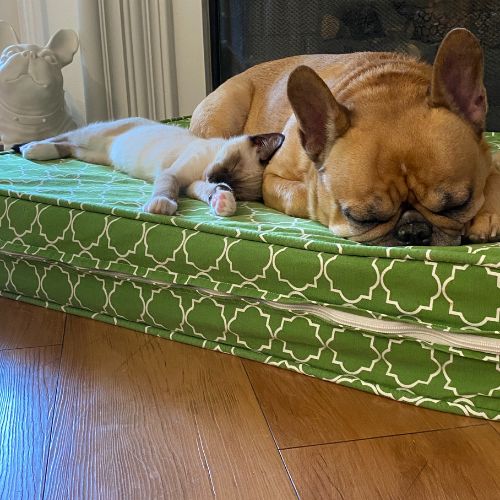
Small kitten stretched out beside a sleeping French bulldog on a green patterned dog bed.

Cat Health and Nutrition Tips | Kitty Up Blog

Why Your Cat Sleeps on Your Chest

by Stacey Rhee on Feb 10 2026
1
It’s the ultimate sign of feline trust: the chest nap. From heartbeat rhythms to a personal story of healing after the loss of a soul dog, find out why cats choose you as their safest place to sleep.
Woman holding a cat at a table with a bag of Hinoki Cypress Cat Litter and a bowl of litter in a sunlit living room.

Cat Health and Nutrition Tips | Kitty Up Blog

Litter Box Odor: Why It Happens and How to Stop It

by Luca Lois on Jan 13 2026
Litter box odor is usually caused by ammonia, moisture, bacteria, and residue buildup in the box. Learn why it happens, how to stop litter box odor with a simple cleaning routine, and how a hinoki litter booster can help keep litter fresher longer.
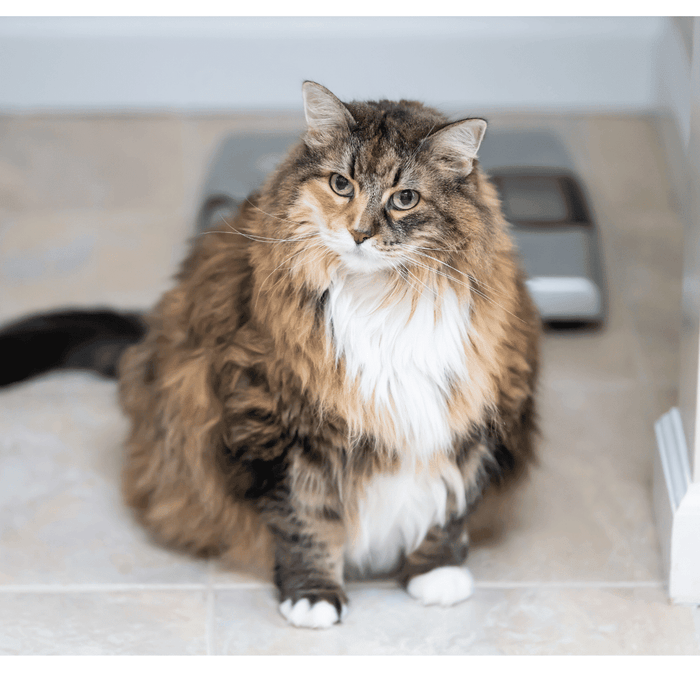
Brown-and-white long-haired cat sitting indoors near a digital pet scale.

Cat Health and Nutrition Tips | Kitty Up Blog

The Hidden Crisis of Feline Obesity Uncovered

by Stacey Rhee on Mar 24 2025
The Hidden Crisis of Feline Obesity Uncovered Understanding Feline Obesity: A Growing Epidemic Feline obesity is no longer a trivial concern or a comedic trope from social media. A cat health emergency exists—chronic, escalating, and vastly under-addressed. According to the Association for Pet Obesity Prevention, 60% of cats in the U.S. are overweight or obese. This isn’t just about a “chunky cat” looking cute—it’s about shorter lifespans, poor quality of life, and rising healthcare costs. Once, people dismissed those few “extra pounds” as harmless. But now, pet parents are waking up to the danger hidden behind phrases like “fat cat” or “super obese cat.” Feline obesity silently chips away at a cat’s vitality. What do we consider obese in cats? The Importance of Body Condition Over the Scale Veterinarians define obesity in cats as weighing 20% or more above their ideal body weight. However, the number on the scale doesn’t tell the whole story. Normal cat weight varies by breed. An 8-pound Siamese can be healthy. A domestic shorthair can weigh 10 pounds or more and still be healthy. Veterinarians use a Body Condition Score (BCS). This score is a visual and touch scale from 1 to 9. It helps them see how much body fat a cat has. 1-3 (Underweight): Ribs and spine visible; no fat cover 4-5 (Healthy weight for cats): Ribs are felt easily, visible waist from above 6-7 (Overweight): Ribs hard to feel; noticeable belly 8-9 (Obese): No waist; abdominal fat pad prominent Reference: WSAVA Global Nutrition Committee Use this cat obesity chart or a cat weight table to better understand where your cat falls. How Much Should My Cat Weigh? This is one of the most searched questions: “How much do cats weigh?” The answer depends on breed, gender, bone structure, and activity level. Here's a quick cat weight guide for common breeds: Breed Healthy Weight Range Domestic Shorthair 8–10 lbs. Siamese 5–10 lbs. Persian7–12 lbs. Maine Coon 10–25 lbs. The normal weight for a cat isn't one-size-fits-all. If you are asking, “Is my cat fat?” or “Is my cat overweight?”, your vet can help. They will check your cat's weight, muscle, and fat to find a healthy weight. The Impact: Do Fat Cats Die Younger? Yes—cat obesity significantly reduces lifespan. A normal-weight cat may live 15–20 years, while overweight cats often live only 10–15 years. Extra fat contributes to: Diabetes mellitus Hepatic lipidosis Arthritis and chronic joint pain Heart and liver disease FLUTD (Feline Lower Urinary Tract Disease) Anesthetic risk “Obesity is not a cosmetic issue—it’s a disease state that affects every organ system.” —Dr. Deborah Greco, DVM, Ph.D., DACVIM Why Are So Many Cats Overweight? Sedentary Lifestyles The shift from outdoor hunters to indoor couch potatoes means lower activity levels and weight gain. Cats need daily stimulation and interactive play to burn calories. Free Feeding & Carbs Free feeding high-carb dry food is a major contributor. Cats are obligate carnivores. They need animal protein to thrive, not corn or wheat. Overeating grain-based food leads to insulin spikes, fat storage, and eventually, cat obesity. Misleading Labels Terms like “complete and balanced” often mask formulas full of fillers. Look past the marketing and examine the actual ingredients. “Cats are desert carnivores. They were never built to eat corn or soy.” —Dr. Lisa Pierson, DVM Recognizing the Signs: Is Your Cat Overweight or Obese? If you’re unsure, use a cat weight chart or consult a vet. Common signs of feline obesity include: Sagging belly or abdominal fat pad No visible waist when viewed from above Ribs are hard to feel without pressing Difficulty grooming, reduced flexibility Lethargy or decreased interest in play Feline Obesity Recovery Plan Step 1: Vet Consultation Don’t try DIY weight loss. Rapid restriction can cause fatty liver syndrome. Step 2: Nutrition Shift Switch to high-protein, low-carb wet or raw food. Avoid kibble with corn, wheat, or soy. Step 3: Portion Control Feed your cat for their ideal weight, not current weight. A digital scale helps with accuracy. Step 4: Exercise Play is crucial. Use wand toys, treat puzzles, and encourage climbing for 15–20 minutes, twice daily. Step 5: Track Progress Use a cat weight loss tracker and check in with your vet. Weekly weigh-ins and photos help visualize success. To help your cat lose weight, focus on lasting changes and keep track of their progress. Final Thought: Feline Weight Loss is Lifesaving Feline weight loss isn’t about vanity—it’s about giving your cat the life they deserve. If you’re asking, “How to help cat lose weight?” start with awareness, commitment, and vet-led care. The aim isn't a thin cat. It's a lively, healthy, and content one. Every cat deserves not just to survive, but to thrive.
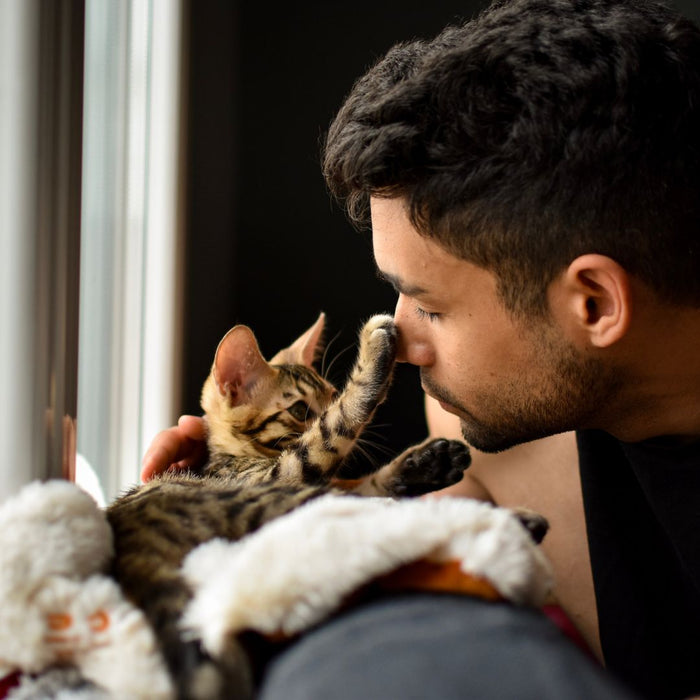
A kitten with it's paw on a man's nose.

Cat Health and Nutrition Tips | Kitty Up Blog

Bringing Home a New Kitten: The Ultimate Preparation Guide

by Stacey Rhee on Jan 29 2025
From the "Safe Zone" to the first vet visit, bringing home a kitten is a major transition. Draw on our years of foster and rescue experience to ensure your new friend starts off healthy, happy, and resilient from day one.
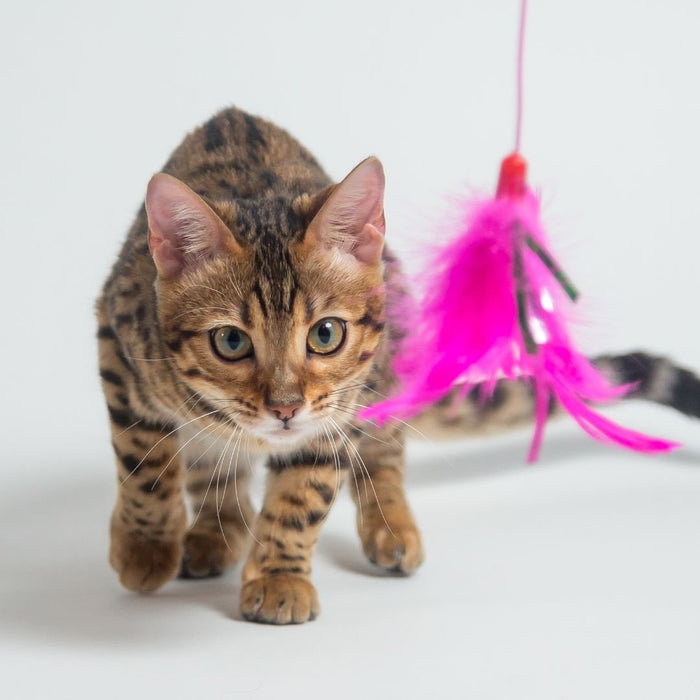
Young spotted cat stepping forward on a white background as a pink feather wand toy hangs nearby.

Cat Health and Nutrition Tips | Kitty Up Blog

How Play Helps Your Cat Live a Longer, Happier Life

by Stacey Rhee on Jan 29 2025
Is your cat bored or just "acting out"? Discover the science of feline enrichment and how to use interactive play and functional rewards like Optimal Puree for a happier, longer life.
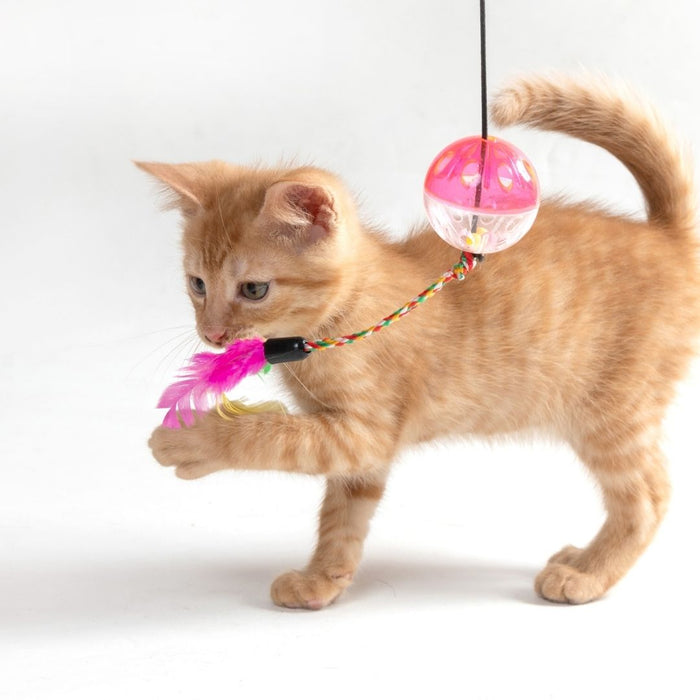
Orange kitten walking on a white background with a pink feather toy and a hanging ball toy attached by a string.

Cat Health and Nutrition Tips | Kitty Up Blog

Top 10 Cat Enrichment Activities for Happy, Healthy Cats

by Kitty Up Krew on Oct 30 2024
Top 10 Cat Enrichment Activities for Happy, Healthy Indoor Cats Keeping indoor cats stimulated isn’t just a bonus — it’s a necessity. Without access to the outdoors, cats often face boredom, stress, obesity, and even behavioral issues. That’s where cat enrichment activities come in. Enrichment provides mental stimulation, physical exercise, and emotional well-being, helping your feline friend live a longer, healthier life. Whether you're a new cat parent or a seasoned cat lover, these cat enrichment ideas are easy to implement and incredibly effective. From puzzle toys and scratching posts to scent play and DIY tunnels, this guide will help you build an environment your cat will thrive in. 1. Puzzle Toys for Mental Stimulation Puzzle toys challenge your cat’s problem-solving skills and keep their mind active. Fill a puzzle feeder with treats or kibble and let your cat figure out how to get the reward. Great for slowing down eating and boosting curiosity. 2. Scratching Posts and Cat Trees Encourage natural behaviors like climbing and scratching with scratching posts and cat trees. These not only save your furniture but also give your cat exercise and a vertical view of their territory. 3. Window Perches for Bird Watching Install a cozy perch by a window and let your cat observe birds, squirrels, and the world outside. This type of enrichment activity for cats offers hours of entertainment with minimal effort. 4. DIY Cardboard Tunnels and Hideouts Use cardboard boxes, paper bags, or soft fabric tunnels to create hiding spots. These mimic prey-hunting scenarios and offer a fun space for your cat to explore and retreat. 5. Food-Dispensing Toys Combine mealtime with play by using food-dispensing balls or toys. These slow down fast eaters and keep their minds active. Add a few treats inside to kick off the fun! 6. Toy Rotation Don’t leave all your cat’s toys out at once. Rotate them weekly to keep things fresh and exciting. This simple tactic keeps cats curious and prevents overstimulation. 7. Scent Enrichment (Catnip, Silvervine, Valerian) Use cat-safe herbs like catnip, silvervine, or valerian to stimulate your cat’s sense of smell. Sprinkle these on toys or scratching pads for a sensory experience that cats love. 8. Hide-and-Seek with Treats Hide treats around your home and let your cat “hunt” for them. This taps into natural foraging instincts and adds a sense of adventure to their day. 9. Cat TV or Tablet Games Play cat-friendly YouTube videos or mobile games that feature fish, bugs, or birds. These screen-based cat enrichment activities are especially great for solo cats. 10. Interactive Play with Feather Wands Schedule daily one-on-one playtime with interactive toys like feather wands, string chasers, or laser pointers. This not only keeps your cat physically active but also strengthens your bond. Bonus: A Weekly Cat Enrichment Schedule Want to stay consistent? Here’s a simple weekly enrichment plan: Monday: Puzzle feeder at breakfast + feather wand play in the evening Tuesday: Rotate new toys + sprinkle silvervine on scratching post Wednesday: DIY tunnel time + hide-and-seek with treats Thursday: Window perch birdwatching + scent enrichment Friday: Play a cat video on YouTube + cardboard box obstacle course Saturday: Interactive laser pointer session + treat puzzle Sunday: Rotate toys again + extended cuddle/play session Try It with Kitty Up Purees Many of these enrichment ideas pair perfectly with healthy treats. Looking for something high-quality and delicious? Try our Kitty Up Vitality Puree — made with immune-supporting ingredients like colostrum, beta-glucan, and New Zealand green-lipped mussels. It’s a tasty, functional reward during play and puzzle time! FAQs About Cat Enrichment How much enrichment does my cat need daily? Just 15–30 minutes of daily engagement can make a big difference. Short play sessions throughout the day are better than one long session. What’s the best enrichment toy for bored cats? Puzzle feeders, wand toys, and interactive balls are great choices. Cats love toys that move unpredictably or make noise. Can kittens use puzzle toys? Yes! Choose beginner-friendly puzzle toys and supervise play. Enrichment is important for kittens’ development too. Are DIY enrichment activities safe? They can be! Just ensure all materials are cat-safe — no small parts, strings, or bags without air holes. Always supervise if unsure. What if my cat doesn’t respond to catnip? Try silvervine or valerian. About 30% of cats don’t react to catnip, but many respond to these alternatives. Final Thoughts Cat enrichment is a cornerstone of feline wellness. Whether you’re using toys, scent, treats, or simply a cardboard box, your cat will benefit from the variety and stimulation. These cat enrichment activities don’t have to be complicated — just thoughtful, safe, and consistent. Ready to take your cat’s enrichment to the next level? Explore our full line of functional treats at Kitty Up and turn every play session into a wellness boost.
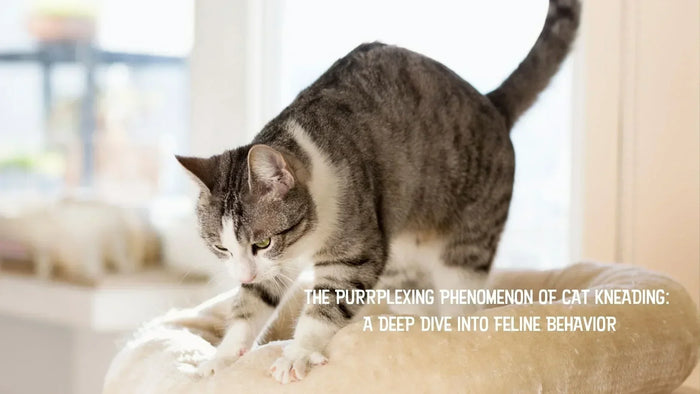
A cat kneading on a cream colored cat bed.

Cat Health and Nutrition Tips | Kitty Up Blog

Cat Kneading: Why Cats Do It and What It Means

by Kitty Up Krew on Sep 30 2024
Cat kneading is a normal comfort behavior where cats rhythmically press their paws on soft surfaces like blankets or your lap. This guide explains why cats knead, what it can mean, and how to handle it gently if claws make it painful.
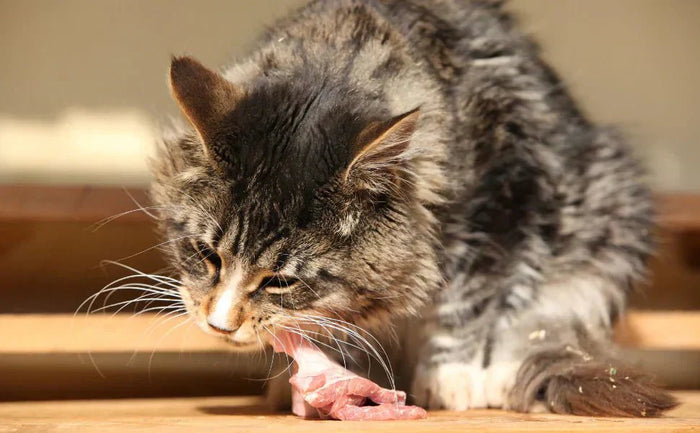
Long-haired tabby cat eating a piece of meat on a sunlit floor.

Cat Health and Nutrition Tips | Kitty Up Blog

Understanding Cats as Obligate Carnivores

by Kitty Up Krew on Sep 30 2024
Why Cats Are Obligate Carnivores: The Science Behind Their Meat-Based Diet Their Biological and Evolutionary Necessities Cats, both wild and domestic, represent a fascinating branch of the animal kingdom. A carnivore is an animal that survives by consuming meat, and in the case of felines, they are known as obligate carnivores. This means their survival depends on nutrients found exclusively in animal flesh. Unlike omnivores that eat both plants and animals, or facultative carnivores that prefer meat but can digest some plant material, cats must consume a meat-based diet to thrive. The Unique Nutritional Needs of Cats High Protein Requirement: Why Cats Eat Meat Cats have evolved to require a high-protein diet. Unlike humans and many other animals, cats use animal proteins not only to build muscle but also as their primary energy source. In the wild, wild cats eat meat in the form of whole prey—muscle, bones, and organs—which provides a complete nutrient profile. Domesticated cats have inherited this same nutritional need. While some commercial cat food includes grains and vegetables, they do not match the essential nutrients naturally found in meat. Essential Nutrients Found in Meat Cats rely on nutrients like taurine, an amino acid that supports heart health, vision, and reproduction. Because cats cannot synthesize taurine on their own, it must come from animal flesh. Deficiencies can lead to serious health issues, including heart disease and blindness. They also require vitamin A in its active form, retinol, which is only found in animal-based foods. Unlike other mammals, cats cannot convert beta-carotene from plants into usable vitamin A. Additionally, arachidonic acid, an essential fatty acid, is only present in animal proteins, making a meat-based diet essential for their well-being. Physical Adaptations for a Carnivorous Lifestyle Digestive System Designed for Animal Flesh A cat’s digestive system is short and highly efficient at breaking down protein and fats from meat. However, it is not well-equipped to handle plant material. High-fiber, plant-based, or vegan diets can cause malnutrition or gastrointestinal problems. This limitation further highlights their status as true carnivores. Dental Structure Built for Eating Meat Cats have a dental structure built to support a predatory lifestyle. With sharp, pointed teeth designed for tearing through animal flesh, they lack flat molars used for grinding plants and animals like those seen in omnivores. Even domestic cats retain this anatomy, showing their continued dependence on a meat-based diet. Evolutionary Roots and Behavioral Traits From Wild Cats to Domestic Companions Although today's domestic cats live in households, their behavior and physiology mirror that of their wild cat ancestors. Their natural instincts—hunting, stalking, and preference to eat meat—demonstrate their deep evolutionary connection to a carnivorous diet. Domestication has changed their environment, but not their biological needs. A cat's metabolism, energy production, and immune system are still optimized for nutrients found in animal flesh. Implications for Cat Owners Choosing the Right Diet for Your Cat Understanding that cats are obligate carnivores is key for anyone caring for them. Choosing cat food that contains high levels of animal proteins, amino acids, and other essential nutrients is crucial to maintaining their health. Products that prioritize wet food with named animal ingredients (like chicken liver, turkey heart, or salmon) more closely mimic their ancestral diet. Avoid fillers and excess carbohydrates commonly found in low-quality cat foods. Watch for Signs of Dietary Deficiencies Pet parents should also be alert to health issues that may signal a poor diet, such as: Lethargy Weight loss Dull coat or skin problems Digestive upset Feeding a meat-based, biologically appropriate diet can help prevent these problems and promote longevity and vitality. Final Thoughts: Feeding Cats True to Their Nature Cats are among the most specialized carnivores in the animal kingdom. From their short digestive system to their sharp teeth, everything about them is designed for hunting and eating meat. While humans may explore vegan diets, felines do not share this flexibility. Feeding them the right diet—rich in animal proteins, free of unnecessary plant fillers, and tailored to their life stage—ensures a healthier, longer life.